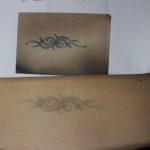
Cosmetic Tattoo: The importance of choosing the right artist for you.

Cosmetic Tattoo: The importance of choosing the right artist for you.

Cosmetic tattoo has gained immense popularity in recent years as a convenient solution for enhancing natural beauty. However, finding the right permanent makeup artist who can achieve your desired results is crucial. We will explore the various ways a client can choose the best permanent makeup artist for their needs.

1. Research and Credentials: Before entrusting your face to any permanent makeup artist, it is essential to conduct thorough research. Look for artists who are licensed, insured, and have undergone extensive training in permanent makeup techniques. Verify their credentials and ensure they adhere to all health and safety regulations.

2. Referrals and Recommendations: Seek recommendations from friends, family, or trusted beauty professionals who have had positive experiences with permanent makeup artists. Personal referrals can provide valuable insights into an artist’s skill, professionalism, and ability to understand individual needs. Ask for before-and-after photos of their work to gauge their proficiency.

3. Extensive Portfolio: When selecting a permanent makeup artist, it is crucial to review their portfolio extensively. A comprehensive portfolio showcases the artist’s range of skills, styles, and abilities. Look for artists who have worked on a diverse clientele and have experience in the specific procedure you desire. Pay close attention to the quality, precision, and natural-looking results achieved in their previous work.

4. Natural Artists: One of the key considerations when choosing a permanent makeup artist is their ability to create natural-looking results. Natural artists possess an innate understanding of facial aesthetics, color theory, and the importance of enhancing individual features while maintaining a subtle and realistic appearance. Look for artists who prioritize enhancing your existing beauty rather than creating an overly artificial or exaggerated look.

5. Consultation and Communication: Schedule a consultation with potential permanent makeup artists to discuss your expectations, concerns, and desired outcome. Pay attention to their communication skills and ability to listen attentively. A skilled artist will take the time to understand your unique features, lifestyle, and preferences, ensuring a personalized approach to your permanent makeup procedure.

6. Hygiene and Safety Measures: Maintaining strict hygiene and safety standards is crucial in any permanent makeup procedure. Inquire about the artist’s sterilisation techniques, use of disposable or single-use tools, and adherence to infection control protocols. A reputable artist will prioritize your safety and well-being, ensuring a clean and sanitised environment throughout the process.

7. Client Testimonials and Reviews: To gain further insights into an artist’s reputation and client satisfaction, read online reviews and testimonials. Platforms such as social media, Google reviews, and industry-specific websites can provide valuable feedback from previous clients. Take note of both positive and negative reviews to make an informed decision.

8. Ongoing Education and Skill Development: The field of permanent makeup is constantly evolving, with new techniques, products, and trends emerging regularly. Choose an artist who demonstrates a commitment to ongoing education and skill development. Artists who attend workshops, conferences, or masterclasses showcase a dedication to staying updated with the latest advancements, ensuring they can provide you with the best possible results.

Selecting the best permanent makeup artist is a significant decision that requires careful consideration. By conducting thorough research, reviewing extensive portfolios, seeking recommendations, and emphasizing the benefits of a natural artist, you can make an informed choice that aligns with your expectations and desired outcome. Remember, the right permanent makeup artist will prioritize your safety, individuality, and enhance your natural beauty, giving you the confidence and satisfaction you deserve.


Why Hydration is Your Skin’s Best Friend (Especially Before Treatments!)

Why Hydration is Your Skin’s Best Friend (Especially Before Treatments!)

Ever wonder if drinking enough water really impacts your skin, especially when you’re considering in-clinic procedures like resurfacing, volume replacement, or injectables? The answer is a resounding YES! Hydration is absolutely crucial for healthy, radiant skin, and it plays a much bigger role than you might think in optimizing the results of your aesthetic treatments.

Let’s dive into why keeping your skin hydrated is so important:

Is Your Skin Thirsty? Signs of Dehydrated Skin:

Dehydrated skin isn’t just about feeling dry; it can manifest in several ways:

  • Itchy Skin: External factors like high temperatures and sun exposure can draw moisture from your skin’s outer layer, leading to a tight, itchy feeling. This often comes with flaking or a rough texture.
  • More Pronounced Lines & Wrinkles: Insufficient water intake, high salt consumption, or excessive alcohol can deplete your skin’s water content, making lines and wrinkles more noticeable and your complexion less radiant.
  • Dull Complexion: Without adequate hydration, your skin doesn’t shed dead cells frequently enough, leading to accumulation on the surface. This can result in congested pores, a lack of radiance, and persistent tightness.
  • Sensitive Skin: Dehydrated skin is compromised in its ability to defend itself from environmental stressors, making symptoms of inflammation and irritation common.The Amazing Benefits of Hydrated Skin:Beyond preventing the issues above, well-hydrated skin offers a multitude of benefits:
  • Promotes Healing: Tiny fractures or impairment in the skin can allow allergens, pollutants, and toxins to penetrate, causing inflammation and itchiness. Drinking water and keeping your skin hydrated can help reduce itchiness and irritation.
  • Firmer, Tighter Skin: Hydration is vital for creating the “water” barrier that protects cells from damage and promotes cellular metabolism and efficient nutrient transport – all essential for youthful, healthy cells.
  • Improved Complexion: Drinking water helps your digestive system flush out toxins from the body. It also significantly impacts gut health and hormone balance, both of which are crucial for skin health.
  • Reduces Inflammation: Water intake can help balance your pH levels, and maintaining a healthy pH is key to achieving calm, balanced, and blemish-free skin.

Your Hydration Top Tips:

Ready to boost your skin’s hydration? Here are some simple, yet effective tips:

  1. Hydrating Products are Your Friend: Twice a day, after washing, gently apply a hydrating product to boost hydration and reduce feelings of tightness.
  2. Protect & Replenish: If you’re exposed to intense cold or UV rays, protect your skin. Also, remember to hydrate your skin after swimming to counteract the drying effects of chlorine.
  3. Drink Up! Our bodies are over 70% water, and our brains are around 85% water. Aim to drink at least 1.5-2 liters of water per day!
  4. Eat Your Water: Did you know 20-30% of the fluid we consume comes from fruits and vegetables? Many are over 90% water and contribute greatly to your overall fluid intake.

Factors That Can Cause Dehydration:

Be aware of these common culprits that can contribute to skin dehydration:

  • Environmental Factors: Pollution, UV rays, and extreme temperatures.
  • Emotional Factors: Stress or fatigue.
  • Gut Health: Poor diet and nutrition.
  • Lifestyle Factors: Tobacco, alcohol, and caffeine.

By prioritizing hydration, you’re not just improving your skin’s appearance; you’re also setting the stage for better results from any professional skin treatments you might consider. Hydrated skin is healthy skin!

Contact us to see how we can help

Skin health: Tips and tricks to keep your skin in tip top condition!

Skin health: Tips and tricks to keep your skin in tip top condition!

The skin is the largest organ in your body and it plays a vital role in detecting hot and cold, regulating your temperature and protecting you from infection. It’s vitally important you look after it and give it the respect it deserves.

Here are some tips we have put together in honour of Septembers Skin Care Awareness Month.

Eat the right foods and drink water

It is imperative to eat foods that are rich in vitamins, minerals and antioxidants. Foods such as leafy green vegetables, melons, berries, nuts and avocados help your skin feel and look refreshed.  Drink PLENTY of water. Aim to drink 1.5 litres of water a day. The body can then flush out the toxins that can cause issues with the skin.

Avoid harsh soaps and chemicals on the skin

Washing daily with drying soaps can cause irritation and soreness. We would recommend finding the right cleanser for your particular skin type.

Even oily skin needs moisture

Use a moisturiser with natural ingredients in such as Vitamins A and E, Aloe Vera and Oatmeal. With oily skin people tend to avoid moisturiser as they feel this will make the oily situation worse, the opposite it actually true. Trying to dry your skin out often makes your skin produce even more sebum (the skins natural moisturiser). We love AlumierMD’s hydra light moisturiser which contains Hyaluronic acid, aloe, niacinamide and peptides.

Sun protection is vital, not just for your skin health but for general health too

Sun protection factor 30, is the single most important (and simple!) thing you can do for your skin to keep it young and healthy looking. Sun burn in childhood increases your risk of skin cancer in adulthood, but we still need to protect ourselves from burning as adults too. You wouldn’t put any of your other organs at risk of burning, so why would you put your skin at risk?

Use a broad spectrum (protects against both UVA & UVB rays) sun protection factor 30 or higher. If you would like more information on how to choose a sun screen please read this article .

Clean your make up brushes

People tend to overlook this simple trick, but if your brushes are clogged with bacteria and dead skin cells (which they will be if not washed regularly) then you are putting your skin at risk of clogged pores and breakouts. Wash them with baby shampoo or a foaming cleanser once weekly and leave to air dry.

Sleep

Go to bed early, it’s not called beauty sleep for no reason! Almost half of us are only sleeping six hours a night. (Sleep Council ‘Toxic Sleep’ survey, January 2011). When we don’t achieve our 8 hours a night, the body releases more of the stress hormone cortisol, which starts off an inflammatory type response in the body and plays havoc on our skin. Also if you suffer with breakouts /congested pimply skin, changing your pillow case every few days can help.

Exfoliate regularly

The skin regenerates itself every 28 days. To help shed off the top layer of skin, exfoliate it with regular chemical peels and you can maintain your results with a great home care routine. This should include a gentle daily AHA/BHA exfoliant. Also replacing moisture with a hyaluronic acid based serum, ideally containing a medical strength quality peptide to reduce fine lines and wrinkles will really help the skins appearance. Exfoliating will help to reveal younger, plumper looking skin cells underneath, but don’t head for abrasive or harsh scrubs which are not only bad for the environment but also for your skin.

Vitamin C&E

Normal skin contains high concentrations of vitamin C, which supports important and well-known functions, stimulating collagen synthesis and assisting in antioxidant protection against UV-induced photodamage. As time passes, scientists and skin specialists are realising the importance of Vitamins C & E applied topically to strengthen the skin, promote resilience and reduce ageing and pigmentation. No Vitamin C serum is better than AlumierMD’s Everactive C&E. Its unique patented technology allows the full strength 15% L Ascrobic Acid (the maximum the body can absorb) to be delivered into the skin.

Please click here to find out why we think it is the most powerful and effective serum on the market today.

Aesthetics – The Story So Far…

Aesthetics – The Story So Far…

The Aesthetics clinic is owned and operated by Janine Lewis, who is a qualified and experienced nurse.

The idea of Aesthetics began in 2016 when Janine’s husband, a local tattoo artist, suggested how many people are unable to have their unwanted tattoos covered up due to the dark nature or sheer size of their existing artwork. Having always had an interest in Aesthetics, Janine embarked on a Manchester University accredited course in Advanced Laser Aesthetics. The course covered skin anatomy and physiology, identifying different skin conditions, principles of safe laser operation, medication contraindications, tattoo removal, pigmentation treatment, thread vein treatment and IPL hair removal amongst other laser treatments available with dermatologists.

Initially the business was going to be just the clinic owner Janine in a separate room in her husband’s studio. However, as Janine discussed the idea with friends and colleagues, interest grew and there were more enquiries about other treatments she may be able to offer. This is when the idea of a purpose built clinic was born.

Building work made a quick start in June 2017 and opened in the September of that year. Since then Janine has embarked on an OFQUAL regulated Level 7 (Master Degree level) course in Injectable Medicine with Harley Academy and continues to expand on her knowledge.It is now currently a three roomed purpose built clinic with three practitioners offering Cryotherapy, Dermal fillers, Consultations for wrinkle relaxing treatments, Chemical peels, Microblading, Semi Permanent Make Up, Plasma Rich Platelets (PRGF hair loss and Vampire Facials), Tattoo Removal and IPL Hair reduction.

We are hugely proud of what we have achieved in the last two years including an award for Aesthetic Clinic of the Year for the entire midlands area! We look forward to expansion and growth in the next five years but always maintaining our personal, professional touch.

 November 2018

Laser Tattoo removal – What should I consider before going ahead?

Laser Tattoo removal – What should I consider before going ahead?

Tattoos have been around or many many years. It was in 1898, when the aristocracy of Europe had got into tattooing their skins in a big way. Then, as now, we Brits were at the forefront of the craze.

Techniques have changed over the years and we now rarely see the old “stick and poke” method being used, but more modern machinery to more accurately control depth of ink and I hasten to add, some tattoos can be pretty spectacular!

It is estimated that one in five people in the UK have a tattoo. If the tattoo has been researched thoroughly, most people are happy with their designs. However, it’s been estimated that a quarter of those with a tattoo regret having one done – and that’s where Nurse Practitioner Janine can help!

Laser tattoo removal is a really effective way to remove unwanted art work from your body. The procedure involves passing an ND Yag laser over the area of skin where the tattoo sits. The process works by breaking down the pigment in your skin, allowing the smaller ink particles to be absorbed by the body bit by bit. Tattoo removal takes multiple sessions (generally more than 12!) and how many depends on a variety of factors including the colour of the tattoo you wish to be removed and your skin type.

It is an effective treatment and can create some amazing results, however there are some things that you need to be aware of and consider before going ahead with laser tattoo removal.

We’ve put together a list of 7 key things you need to consider before getting laser tattoo removal:

  1. Before getting the treatment you should be aware that tattoo removal can never be completely guaranteed. In some cases the tattoo might only partially fade, leaving behind a partial pigment. This can, in some cases, even look like a scar. We cannot know the contents of the ink that has been used, it has been reported that traces of acrylic have been found in some tattoo inks. This will not be removed with laser. Some medical conditions and/or medications make tattoo removal unsafe, so your Nurse will check your medical history thoroughly to ensure we don’t take unnecessary risks.
  2. The location of your tattoo can also have an impact on the result of treatment. Tattoos that are located on the more sensitive parts of the body can be harder and (sorry to say) more painful to remove. Tattoos located closer to the heart have better circulation and so will often heal quicker.
  3. It may be difficult for your practitioner to give you an accurate time-scale and number of treatments required for the tattoo removal as each tattoo and each person responds differently to treatment. Once you have undergone the first treatment they will be able to advise more on this but you must be aware that we (or any other practitioner) can’t guarantee results. If you are getting married you need to be aware that it can take 2 years to remove a tattoo as sessions are 8 weeks apart minimum.
  4. The colours in your tattoo can also effect the treatment results as different lasers may be needed, which operate at different wavelength of the colour spectrum. Some colours may be harder to remove than others. Your practitioner will be able to advise you more on this at consultation. Generally, white and yellow pigments are nearly impossible to remove.
  5. Following strict after-care is important to maximise the results of your treatment. You should also be aware that the treatment area may be red, blistered, raised or slightly swollen after treatment (don’t panic this is normal!) and so it is important to keep the area clean an away from any  sun. We recommend the use of 100% Aloe Vera Gel post procedure. However, your practitioner will go through all the after-care advice with you at the consultation stage plus at each visit. Smoking and anti inflammatory medication can have a negative impact on tattoo removal results .
  6. Some pigment used in cosmetic tattoos, may appear darker after treatment due to the oxidisation process. Don’t panic- this can usually be corrected with follow up treatments. Reddish / Brown pigments are particularly susceptible to this so can be very obvious with eyebrows!
  7. Tattoo removal is generally more effective in tattoos that are over a year old. The older the better for best results. We cannot undergo tattoo removal on tattoos that are under 2 months old – minimum.

Laser tattoo removal really is an effective way to remove unwanted art work from your body. We just think its important that you are well informed before going ahead with any treatment. If it’s something you are considering then come and see us for a consultation and we will be able to advise you further after having a good look at that unwanted tatt!!